
Overview:
AI is rapidly transforming the accounting profession. Today’s accountants are expected to work faster, manage growing volumes of data, deliver clearer insights, and support increasing reporting and documentation demands. As a result, many professionals are exploring how AI tools like Claude can improve efficiency without compromising accuracy or professional standards.
In 2026, accountants are using Claude to summarize accounting guidance, draft internal memos, organize reconciliations, explain financial information, and streamline everyday workflows. The tool is especially valuable for handling complex documents, structured analysis, and written communication.
However, AI is not a replacement for professional judgment. Accounting still requires accuracy, skepticism, and careful review. When used improperly, AI can produce incomplete analysis, misleading conclusions, or weak documentation that increases operational risk.
Areas Covered in this Training:
· Introduction to Claude for accounting workflows
· How AI can support accountants in daily work
· Summarizing accounting guidance and financial documents
· Drafting memos, reconciliations, and internal explanations
· Supporting accounting analysis and variance commentary
· Organizing accounting issues and workflow tasks
· Using Claude during month-end and reporting cycles
· Risks and limitations of AI in accounting
· Protecting accuracy and maintaining professional oversight
· Best practices for prompting Claude effectively
Why Attend this Training:
The professionals who learn to use AI responsibly will have a significant advantage. Claude can help accounting teams save time, improve communication, reduce repetitive work, and focus more on high-value decision-making instead of manual formatting, rewriting, and information sorting.
This training provides a practical, real-world introduction to using Claude in accounting workflows. Participants will explore where AI adds value, where caution is necessary, and how to use AI effectively while maintaining accounting quality, confidentiality, and professional standards.
Suggested Attendees:
· CPA's
· Accountants
· Controllers
· CFO's and Finance Leaders
· Finance Managers
· Financial Analysts
· Internal Auditors
· Accounting Managers
· FP&A Professionals
· Advisory and Consulting Professionals
· Risk and Compliance Professionals
· Business Strategists
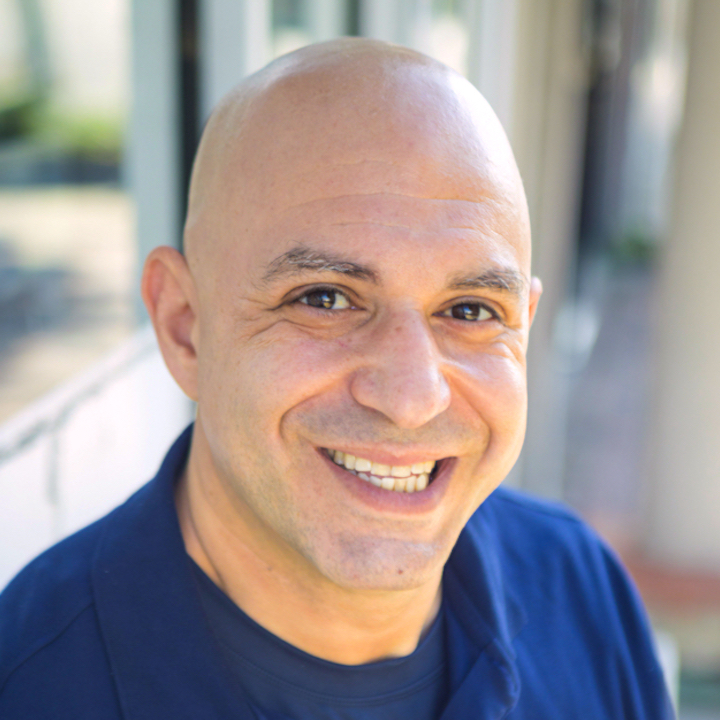
Justin Muscolino
Justin Muscolino is the CEO & Co-Founder of High-risk Education, where he helps companies build stronger compliance training programs. With over 20 years of experience—including roles at FINRA, JPMorgan Chase, UBS, and Macquarie —Justin brings a practical understanding of how to meet regulatory expectations while keeping training clear and useful. He’s worked with banks, fintechs, and other high-risk industries to improve how they train staff on rules, risks, and responsibilities.
Through High-risk Education, Justin focuses on simplifying complex topics like AML, KYC, and consumer protection. He’s led training initiatives around the world and works directly with clients to close compliance gaps and reduce risk. Known for being hands-on and results-driven, Justin also serves as an advisor and writer for several industry groups and continues to support organizations in building a culture of accountability.

NASBA -
CPE Credits = 1.0
“In accordance with the standards of the National Registry of CPE Sponsors, CPE credits have been granted based on a 50 minute hour.”
StandEagle is registered with the National Association of State Boards of Accountancy (NASBA) as a sponsor of continuing professional education on the National Registry of CPE Sponsors. State boards of accountancy have final authority on the acceptance of individual courses for CPE credit. Complaints regarding registered sponsors may be submitted to the National Registry of CPE Sponsors through its web site: www.nasbaregistry.org.

ACCREDITATIONS